The Changing Face of Spanish Wine: Fresher, Lighter and More Balanced

Something has been changing in Spanish wine.
Over the past few years, we've noticed a growing interest in wines that are fresher, lighter and less dominated by oak. We're seeing it in the wines being made, the bottles appearing on restaurant lists and the conversations we're having with winemakers and sommeliers.
But there's a difference between what is happening within the wine industry and what consumers are actually choosing to drink. And that's what makes this shift particularly interesting.
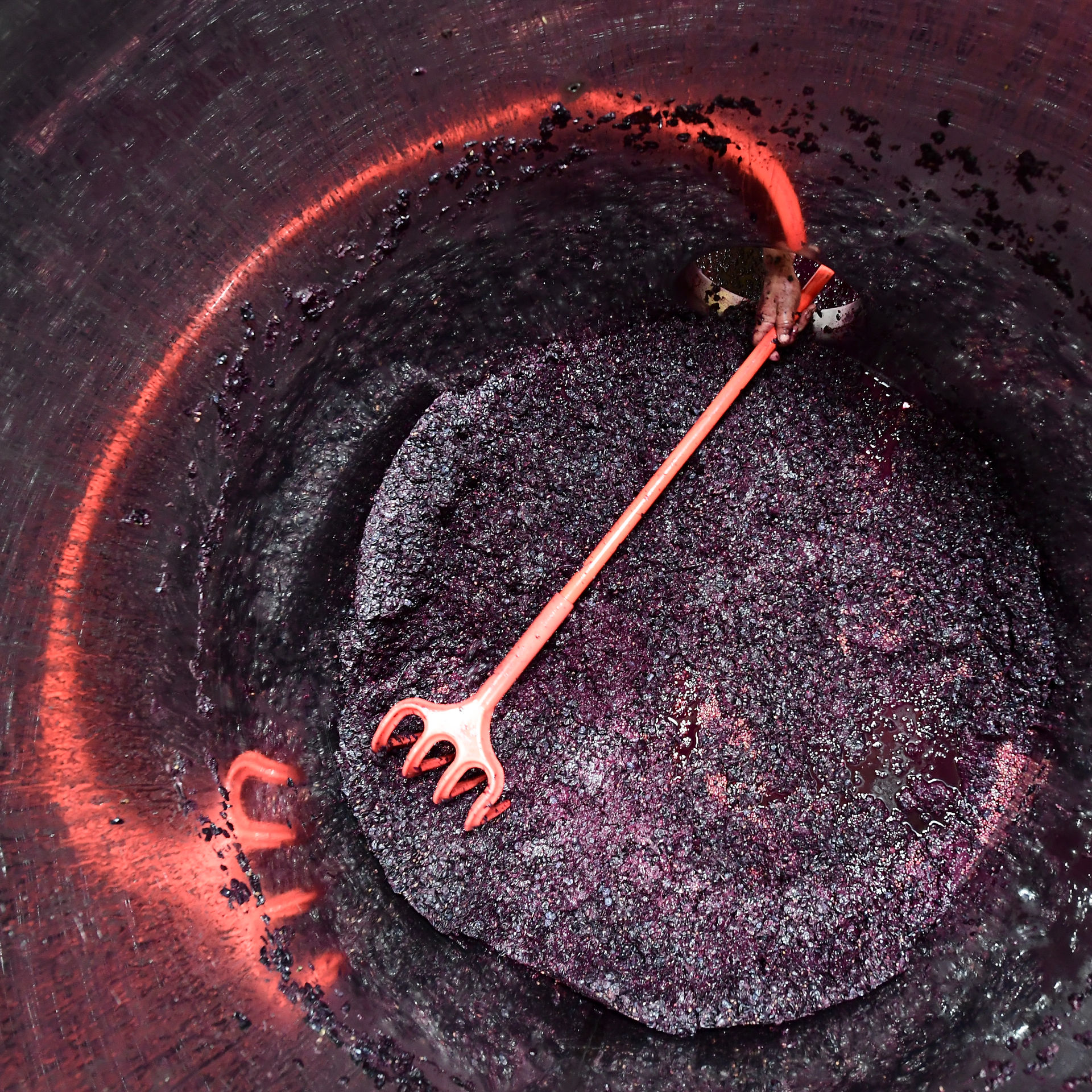
Red wine production by hand at Adega Do Demo Clay fermentation tanks at Bodegas Rossneu, in Mallorca 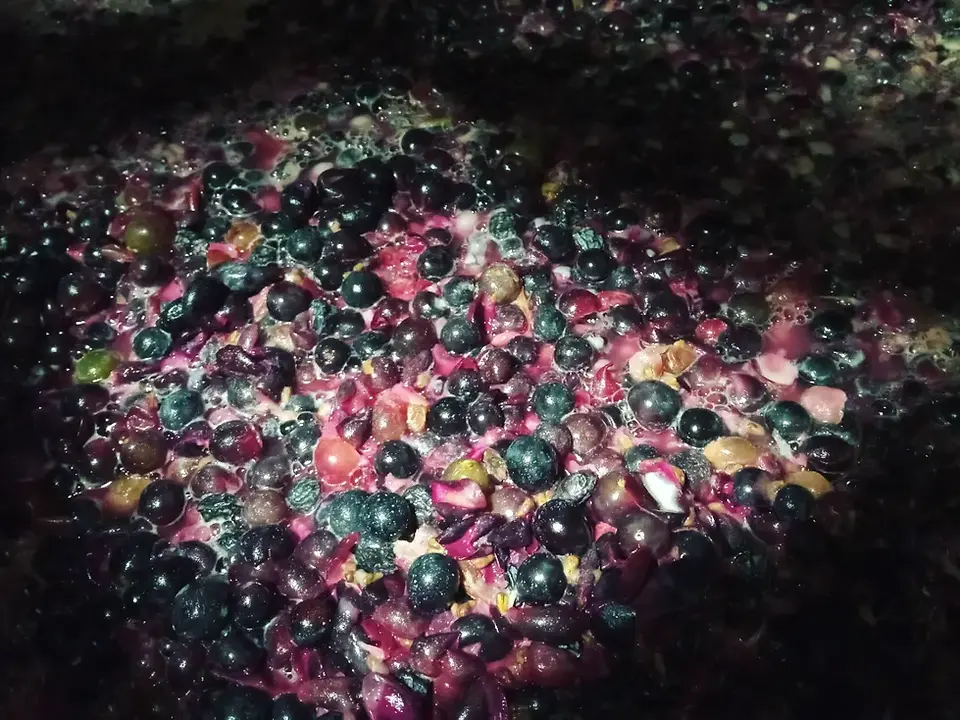
Fermenting grapes at Dunord Vitícola in Mallorca
A change in what makes a wine exciting

Wine has always had its trends.
There have been periods when richer and more heavily oaked wines were considered the ultimate expression of quality. Now, particularly among wine professionals, there seems to be a growing appreciation for something different.
Freshness, balance, and drinkability.
Not necessarily wines that are low in alcohol or very light, but wines where the different elements work together without one particularly dominating.

One example is El Sentido de la Vida from Bodega Cerrón in Jumilla.
Monastrell is a grape that can produce big, powerful wines, particularly in a warm Mediterranean region like Jumilla. But this wine takes a different approach. The grapes come from high-altitude, north-facing vineyards on limestone soils, and the wine is fermented in clay amphorae and open barrels before being aged in clay vessels and large oak foudres.
The result is a Monastrell that still has depth and structure, but also has freshness, fine tannins and a more elegant feel.
It's a good example of how a grape doesn't have to be made in the most obvious way.
Familiar wines are familiar for a reason
If you regularly drink Rioja, you probably have a pretty good idea of what you're going to get when you order another bottle.
The same applies with Albariño, Verdejo, Ribera del Duero or any other style you've come to know and enjoy.
That familiarity makes choosing wine easy.
And why shouldn't it?
Most people aren't choosing a bottle because they've been following the latest developments in winemaking. They're choosing something they think they'll enjoy with dinner, something they've tried before or something recommended by a friend.
Choosing wine shouldn't feel like an exam.
This may be one reason why changes within the wine industry can take quite a while to reach the wider wine-drinking public.
A sommelier might get excited about a red that is lighter and has very little oak.
Someone who has always enjoyed a rich, full-bodied red might simply wonder where the rest of the wine has gone.
Neither is wrong.
They're just looking for different things.
Does lighter mean better?
This is where we think the conversation needs a little perspective.
We're hearing more about lighter wines, lower alcohol and freshness.
But that doesn't mean every wine needs to become lighter.
A great wine can be powerful.
It can be rich.
It can have plenty of oak.
It can have 14.5% alcohol.
None of these things automatically make a wine better or worse.
What matters is how everything works together.
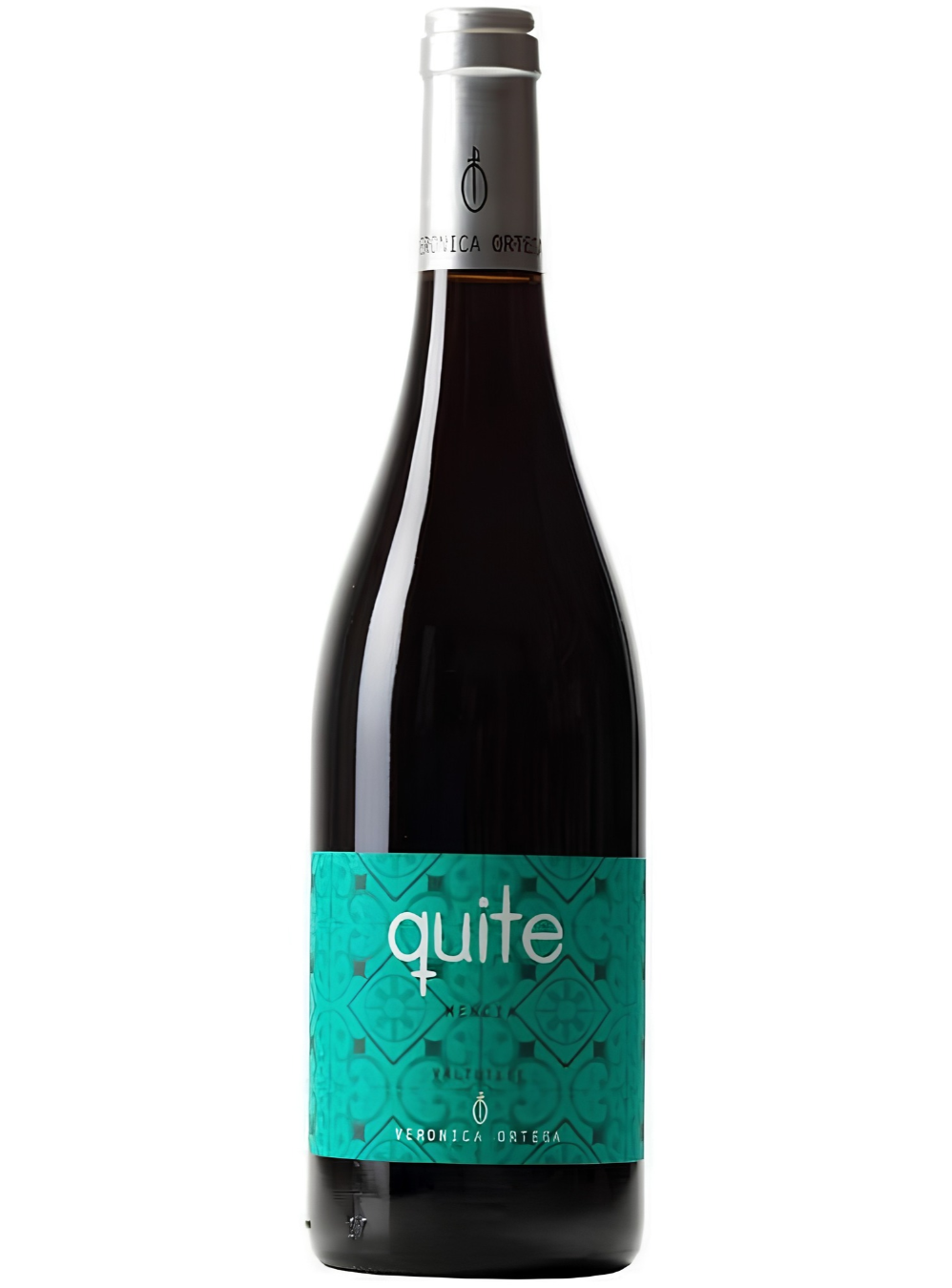
Quite, made by Verónica Ortega in Bierzo, is a good example.
At 13.5% alcohol, it isn't trying to be a heavyweight red. The fruit comes from vines that are between 90 and 100 years old, and the wine is made with gentle extraction and relatively short maceration to preserve freshness.
It's light on its feet, but it still has structure and depth.
This is perhaps where the idea of "lighter" can become misleading. A wine doesn't have to be simple, thin or lacking in flavour simply because it isn't heavy.
Sometimes the numbers tell an interesting story
One of the things we find interesting about this movement is that the wines don't always need to announce what they're doing.

Take O Esteiro Tinto from Albamar in Rías Baixas.
At just 12.5% alcohol, it is a world away from the image some people have of a Spanish red. It's a blend of Mencía, Caiño and Espadeiro from old vineyards in the Salnés Valley, with natural fermentation and eight months in French oak.
It's fresh, savoury and remarkably easy to drink.
And yet it isn't lacking in character.
This is the kind of wine that makes us question the assumption that red wine needs to be powerful to be interesting.
It doesn't.
Sometimes you simply want another glass.
And then there are wines that challenge expectations
There is also something interesting happening with wines from regions that already have a very established identity.
Ribera del Duero is a good example.
For many people, the name brings to mind rich, structured reds, plenty of oak and wines that can benefit from several years in the cellar.

But Magna Vides Tinto from La Aguilera shows another side of the region.
Made from very old vineyards at around 850 metres, it combines Tempranillo with small amounts of Monastrell and Albillo Mayor. It is aged in both French oak and concrete eggs, helping to retain freshness alongside its depth and structure.
The result is a Ribera del Duero that feels refined and remarkably fresh rather than simply powerful.
It has also attracted some serious attention, including 96 points from Decanter and 93 from Tim Atkin MW.
For us, that is interesting because it shows that you don't necessarily have to change the grape or the region to make something different. Sometimes you just have to approach it differently.
What about natural wine?
Another change we've noticed is the growing interest in wines made with less intervention.
You've probably come across the term "natural wine", which now appears regularly on restaurant lists, in specialist wine shops and in wine publications.
We understand the attraction. There is something interesting about winemakers trying to interfere as little as possible with what happens to the grapes during fermentation and ageing.
But we're cautious about turning this into another set of rules.
We don't think a wine is automatically better because it is described as natural.
We actually prefer the term low-intervention when it accurately describes how a wine has been made, because it tells us a little more about what the winemaker is actually doing.
And, importantly, low intervention doesn't necessarily mean light or delicate.

La Tapada from LMT Wines is a good example.
This is a 100% Garnacha from a vineyard planted in 1950 in Rioja, made with indigenous yeasts and aged in a mixture of used French oak, flextanks and small glass demijohns. It is bottled without clarification or filtration.
But this isn't a delicate red wine.
At 15% alcohol, it has plenty of concentration and flavour. What makes it interesting is that the winemaking isn't being used to smooth everything into a conventional style. The fruit, acidity and texture are allowed to remain part of the conversation.
For us, that's a much more interesting way of looking at low-intervention wine than simply assuming that less intervention automatically equals better wine.
And then there's low and no alcohol
There's another major change happening across the drinks industry: the move towards drinking less alcohol.
More people are thinking about when they drink, how much they drink and whether they want alcohol every time they have a drink. So it's hardly surprising that low- and no-alcohol wines are receiving more attention.
We think it's an interesting development.
But this is one trend where we're personally not there yet.
We've tasted a number of low- and no-alcohol wines and, while the category is improving, we haven't yet found enough examples that we'd be happy to recommend.
We're not ruling them out.
Winemaking techniques are developing all the time, and we expect the quality of these wines to eventually improve.
But we're not going to recommend something simply because it's fashionable.
If we wouldn't happily drink it ourselves, we're not going to ask you to drink it either.
So where does that leave the wine drinker?
Perhaps somewhere between the old and the new.
You don't have to stop drinking the wines you enjoy because someone in the wine trade has decided that something else is more interesting.
Equally, there's nothing wrong with trying something different every now and then.
And perhaps that is where the real opportunity lies.
The wine industry can experiment as much as it likes, but ultimately it is wine drinkers who decide which changes stick around.
Some new styles will become everyday wines. Some will remain the preserve of wine enthusiasts. Some ideas will probably disappear altogether.
That's part of what makes wine interesting.
So, is Spanish wine changing?
We think it is.
But perhaps change in wine has never been about one style simply replacing another.
What we're seeing now is more of a broadening of the conversation.
There is room for a fresher Mencía, a traditional Rioja, a vibrant Mallorcan white and a richly textured red to sit alongside each other.
The interesting part will be seeing which of today's new ideas become tomorrow's classics.
For now, we'll keep tasting, questioning and occasionally being surprised.
Because in wine, the next interesting bottle is often the one you weren't expecting.

A bottle of Fusco by Albamar next to a glass of red wine. Both are partially seen and blurred. 
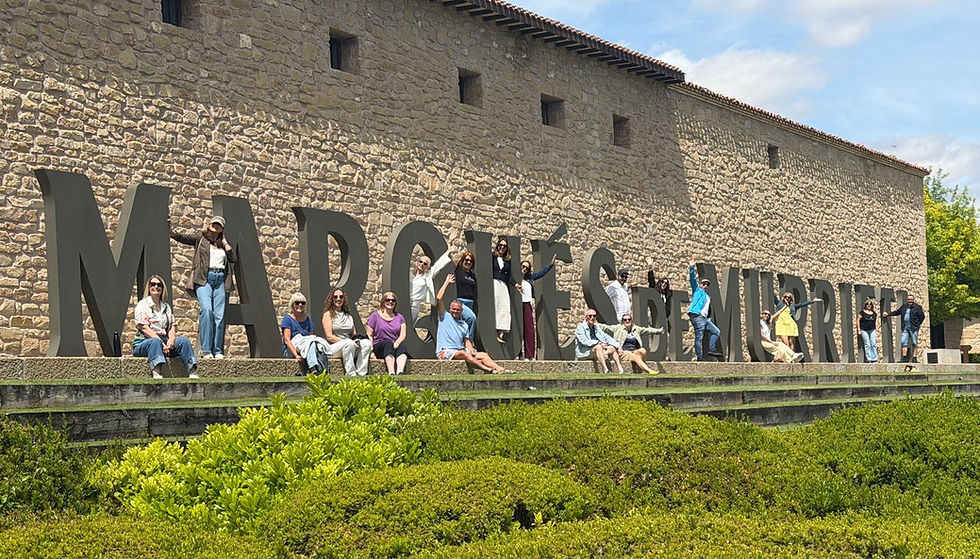
Three bottles of wine produced by Marques de Murrieta in Rioja 
A hand holding up a bottle of Dunord Vitícola L'Insomni white wine from Mallorca


Comments