Bierzo Wine: What Makes This Spanish Region So Unique?

Bierzo wine has quietly become one of Spain’s most compelling discoveries - yet what makes this region so unique is something far less obvious than trends or attention.

Tucked between the rolling hills of Galicia and the vast plateau of Castilla y León, Bierzo slowly reveals itself. You arrive through winding roads, past chestnut trees and slate-strewn hillsides - until… the landscape opens into a natural amphitheatre of vineyards.
It’s here that some of Spain’s most distinctive wines are taking shape - not through power, but through precision, old vines, and a deep connection to place.

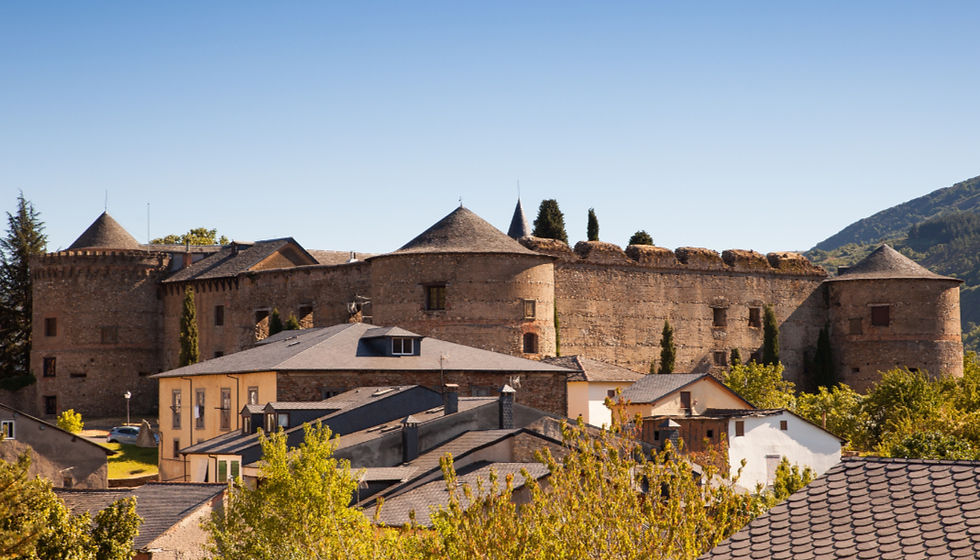
Ponferrada Castle in Bierzo - photo by Nuria Duran , Pexels 
Las Médulas landscape in Bierzo - photo by Manel Vinuesa, Getty Images 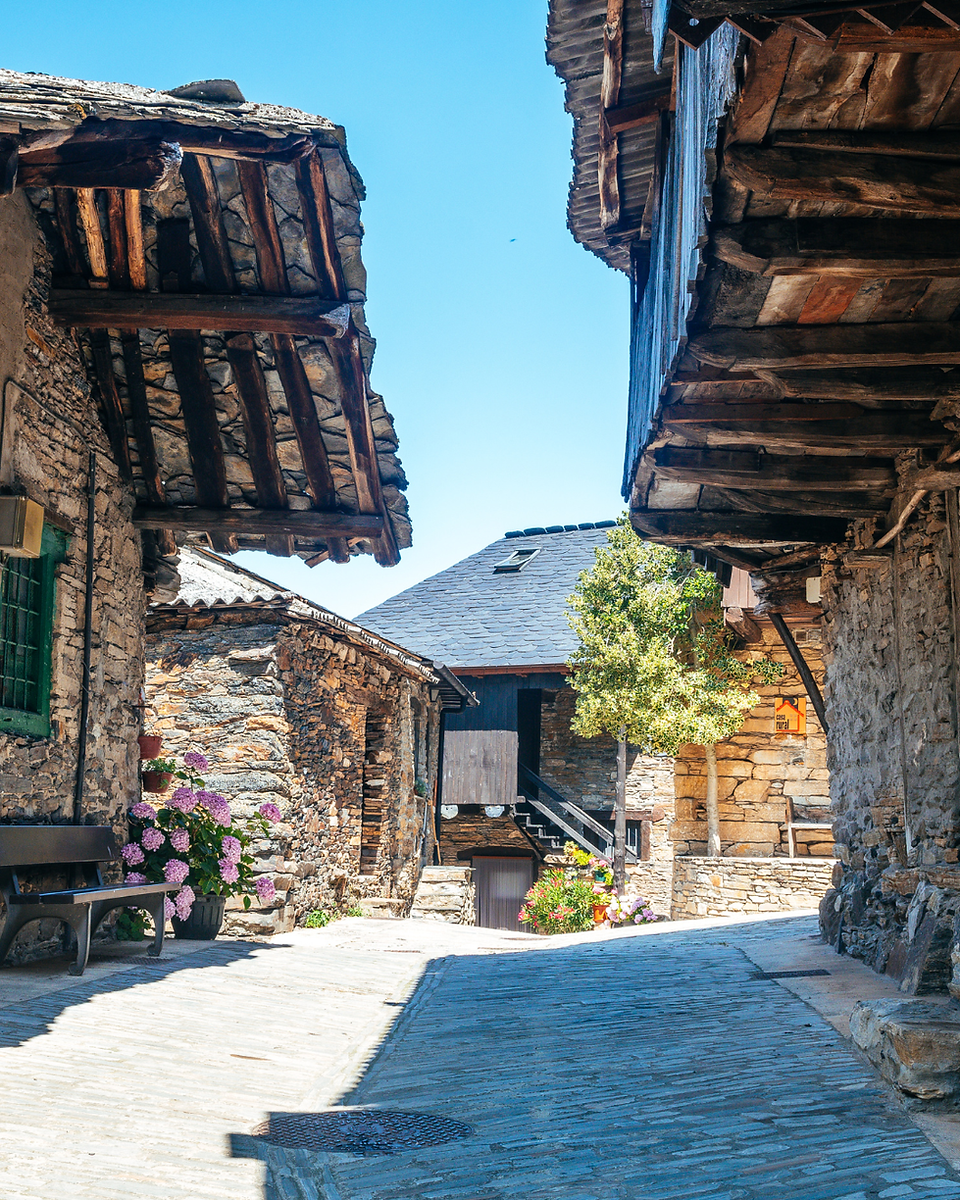
Peñalba de Santiago, Leon, Spain - photo by Jon Chica Paraada, Getty Images
A Landscape That Tells Its Own Story

Bierzo is defined by contrast. Atlantic breezes drift in from the west, softening the harsher continental edges of inland Spain. Rain falls more generously here. Summers are warm, but not normally extreme.
Underfoot, the soils shift constantly - slate, clay, sand - often within the same vineyard. Many of the vines are old. Some are very old - planted over a century ago, their roots digging deep into fractured rock, carrying with them a quiet resilience.
And then there is Las Médulas - a surreal, rust-red landscape carved not by nature alone, but by Roman hands in search of gold. It’s a reminder that Bierzo has always been a place of extraction.
Today, the treasure just happens to be wine.
The Grapes That Define Bierzo
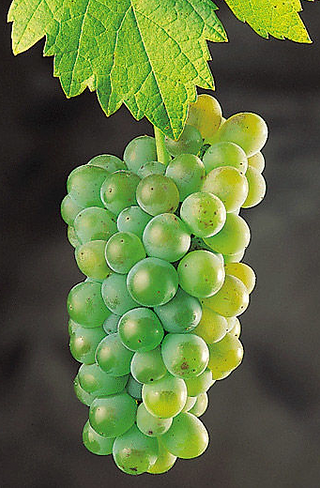
A bunch of Godello grapes - photo from DO Bierzo 
A bunch of Mencía grapes - photo from DO Bierzo 
A bunch of Palomino grapes - photo from DO Bierzo
Bierzo speaks through its native grape varieties.
Mencía, the region’s main red grape, has undergone something of a renaissance. Once misunderstood, often overworked, it is now handled with a lighter touch - revealing wines that are fragrant, precise, and quietly complex. Think wild red berries, crushed flowers, a hint of spice, and always, a thread of minerality.
Then there is Godello - a white grape that has, in many ways, rewritten expectations of Spanish white wine. Structured yet vibrant, it carries notes of citrus, orchard fruit, and a saline edge.
Alongside them, a cast of known and lesser-known varieties - Garnacha Tintorera, Doña Blanca, Merenzao, Estaladiña, Palomino, and Malvasía - continue to be preserved and, increasingly, celebrated.
Wines of Bierzo: Elegance Over Power
What sets Bierzo apart is not just what grows here - but how it expresses itself in the glass.
Where other Spanish regions lean into structure and weight, Bierzo moves in a different direction with lifted aromatics, fine tannins, and an energy that feels almost effortless.
The best wines don’t overwhelm - they invite. They unfold gradually, revealing their layers.
Increasingly, producers are focusing on individual villages and even single plots - echoing the philosophy of Burgundy - where the vineyard takes centre stage.
Leading Winemakers Defining Bierzo

Raúl Pérez, sitting down, with a glass of red wine in his hand. 
Verónica Ortega, standing up, with a glass of red wine in her hand 
Luna Beberide talking about wine via Instagram
Bierzo’s transformation hasn’t happened by accident. It’s been guided by a group of influential winemakers who saw something others overlooked.
Raúl Pérez
Widely considered one of Spain’s most important modern winemakers; a pioneer of site-driven Mencía.
Verónica Ortega
Known for precision and Burgundian-inspired finesse.
Descendientes de J. Palacios
Instrumental in elevating Bierzo internationally, particularly with single-vineyard wines.
Luna Beberide
Known for producing high-quality red and white wines, primarily using native Mencía and Godello grapes from old vines.
These producers - and others - have shifted Bierzo from bulk production toward fine wine territory.

We’re proud to represent Verónica Ortega’s wines here in Mallorca.
After training in regions such as Burgundy and the Rhône, she chose Bierzo not for its reputation, but for its potential. Her approach is thoughtful, precise, and deeply respectful of the vineyards she works with - many of them old, many farmed organically, all treated with a sense of stewardship.
Her wines capture Bierzo in motion: not just what it is, but what it is becoming.
Our picks from Verónica Ortega
Quite (Mencía)
An entry point, but far from simple. Juicy red fruit, subtle floral notes, and a mineral backbone that keeps everything in balance. A wine that speaks clearly of Bierzo’s freshness and finesse.
Tormenta (Small grain Godello)
A more layered and expressive take on Bierzo’s white potential. Sourced from old vines, Tormenta is a serious, elegant and well-balanced Godello that artfully blends subtle notes of green tea, chamomile flower, lime blossom and citrus fruit flavours. Its fresh and vertical palate is marked by minerality and precise salinity which enhances the wine's vibrant energy in the mouth.
Alongside these, Verónica Ortega continues to evolve her work with newer, small-production wines such as A Bruxa, sourced from a tiny 0.46-hectare old-vine parcel in Cobrana - an elegant wine with perfumed red fruit, floral complexity and a mineral edge, carried by juicy freshness, fine tannins and remarkable tension.

A bottle of Quite wine by Verónica Ortega 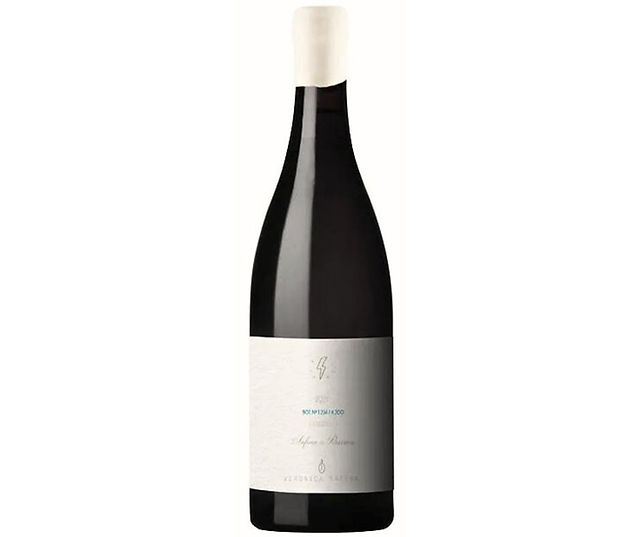
A bottle of Tormenta wine by Verónica Ortega 
A bottle of A Bruxa wine by Verónica Ortega
Beyond the Vineyard
To visit Bierzo is to step into a slower rhythm.
In Villafranca del Bierzo, pilgrims pass through on the Camino de Santiago, sharing space with locals who have lived here for generations.
In Ponferrada Castle, the legacy of the Knights Templar still lingers in stone.
And throughout the region, vineyards sit quietly beside orchards, forests, and small villages - never dominating, always integrated.
Why Bierzo Matters Now
Bierzo may well be on its way to becoming the next great wine region - almost unintentionally - because:
It champions native grapes over international trends
It values old vines and low intervention over volume
It is driven by people who listen to the land, rather than impose on it
And perhaps most importantly, it offers wines that feel honest - wines that don’t need explanation, only attention.
Closing Thought
In a world where so much wine feels engineered, Bierzo stands apart.
It is a place where the past is still present in every vineyard, and where the future is being written, quietly, and thoughtfully, by winemakers like Verónica Ortega.


Comments